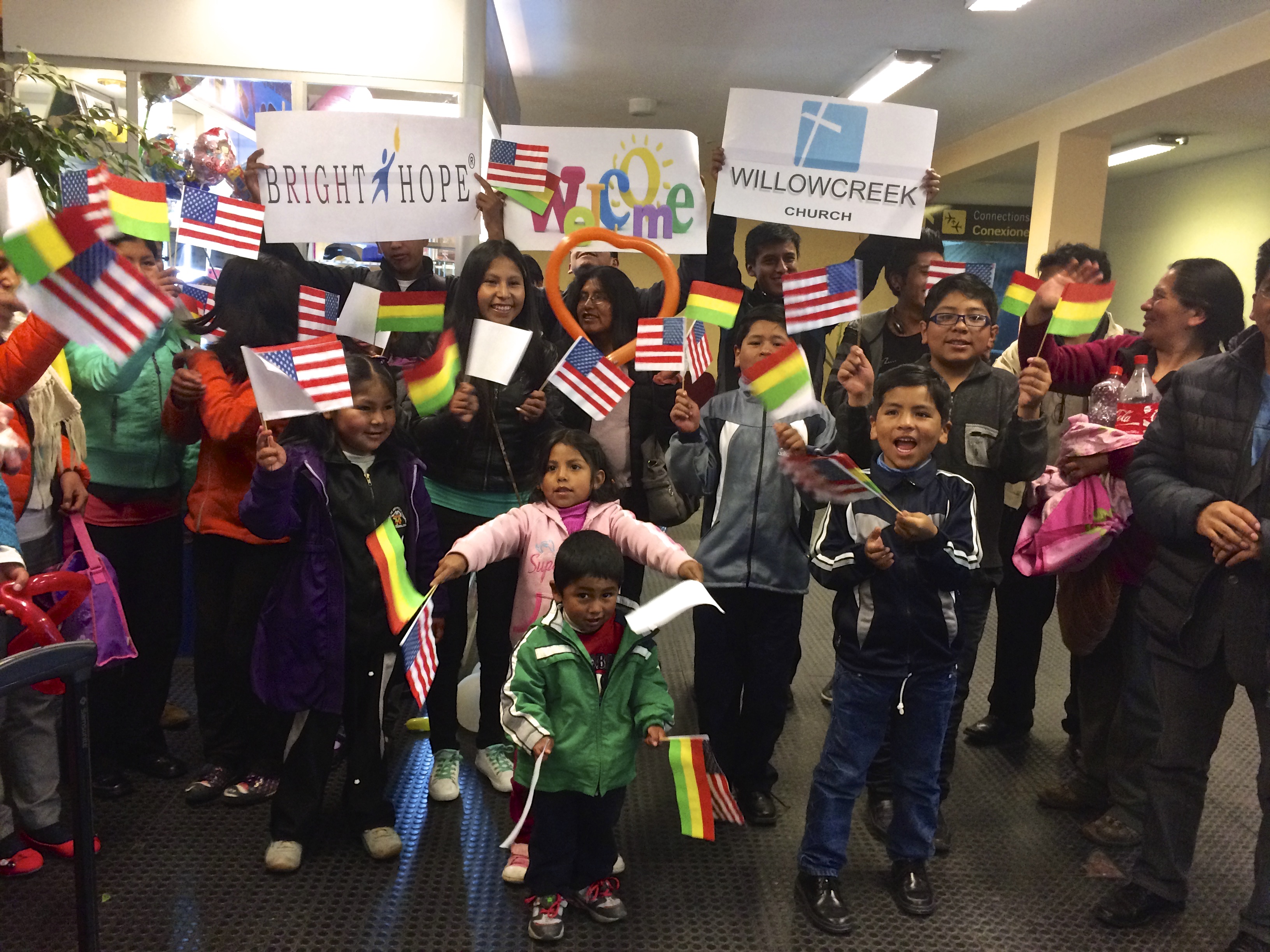
On Thursday at 6am, I got in a cab and drove through the once-bustling city of La Paz to the airport. A few hours later, I landed in Miami and was greeted with the harsh reality that is American culture. Those few hours transported me from welcoming embraces and laughter to rushing rolling suitcases and zero eye contact. The contrast as drastic, but in the midst of the culture shock, I realized something deeply troubling about myself, something that I always excused and passed off as justifiable.
It was as if a found myself in a corner of questions about myself and our culture: Why are we so apprehensive to reach out, to extend a hand, to be the first to smile, to greet and welcome? What is it that has caused us to be so standoffish? Why do we feel anxious when we have to meet a new person? Why are we afraid to open up about our lives to people who have yet to earn our trust?
I’m shy. I would rather hide in the back than stand at the door and shake hands. When my phone rings, I ignore it. If something comes up that involves talking to a stranger…forget about it.
While I often blame this on being an introvert or struggling with social anxiety, I believe there is something deeper I have to ask myself: What is the harm in being a person of radical inclusiveness?
The time I spent in Bolivia brought out the best and worst in me. I love nothing more than walking the streets of foreign cities, trying new food, hearing testimonies of pastors who have been healed/called/forgiven/tested/used for the Kingdom of God, laughing with children as we play soccer, taking in the smells and sounds of a new culture, and exploring new landscapes. My soul comes alive when I get to do that. Bolivia is breathtaking in every sense of the word (hello 13,000 feet), but it was the people that stole my breath the most.
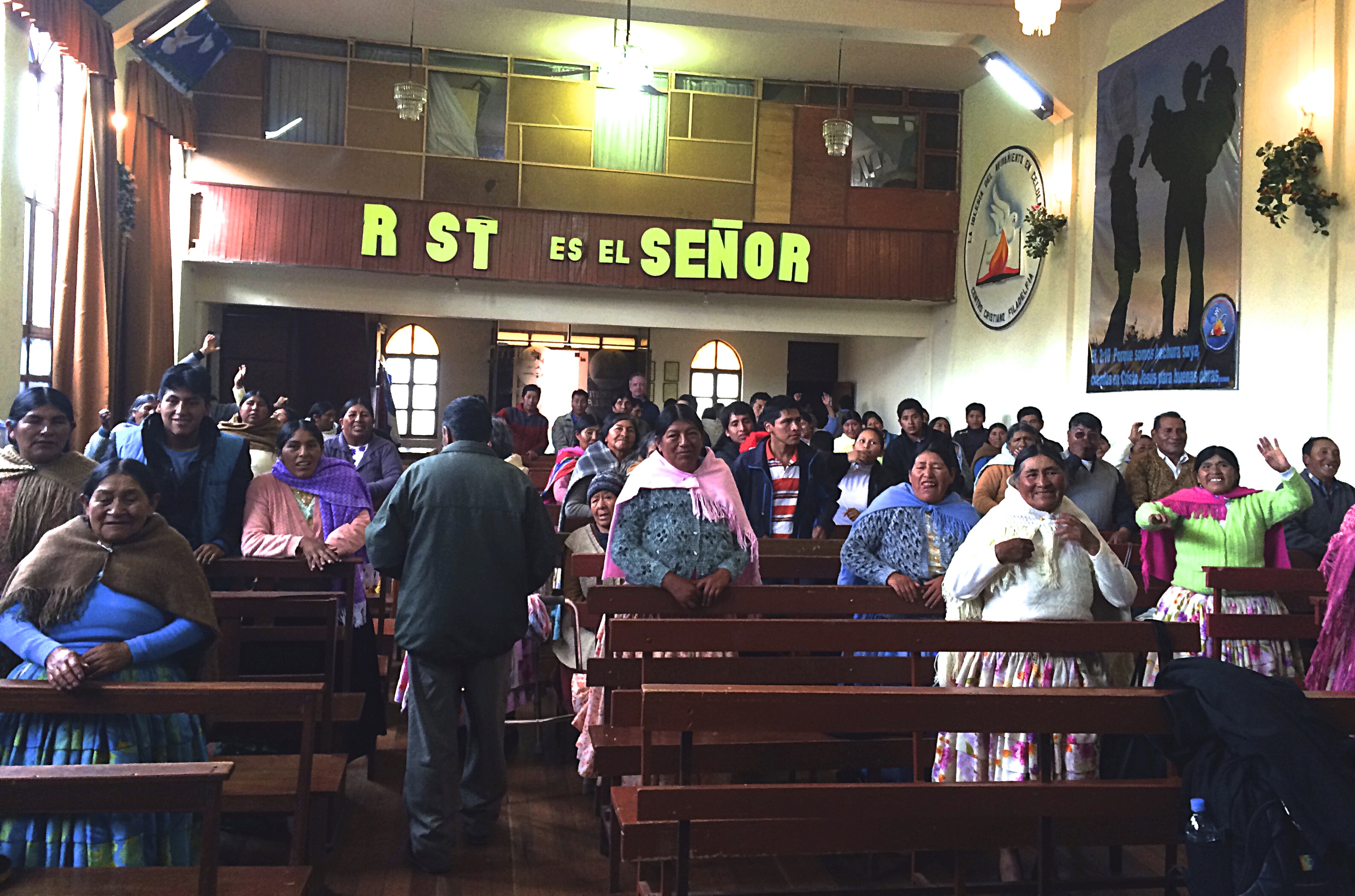
The Bolivians I met, the Bolivians I worshiped with, the Bolivians who worked at our hotel, drove our van, and crossed my path on the street caused me to confront one of the worst parts of myself. Each place I went, I was greeted with a handshake, a hug, two kisses, another handshake, an arm grab, and a smile. When we would leave a church, the entire congregation would go through this process as they rapidly spoke as many blessings as they could in the 20 seconds it took to fit in as much physical touch as possible. Each building I walked in to had a table full of coffee, tea, pastries, then we had a meeting, and then a full meal and more tea. Each meeting started with the phrase, “Thank you for coming, God bless you, this is your home now.” Each testimony I heard was richly authentic, pointed glory to God, gave credit to those He used, and had not one ounce of self-promotion or apprehension.
I consider the times when our church has had guests – I am usually the first to “opt out.” I hide, unsure of what questions to ask, afraid to open myself up to strangers. The ironic thing? I consider myself passionate about hospitality.
Even in the nervous, anxious moments of kissing 40+ non-English speaking Bolivian grandmas and wanting to immediately wash my face, I felt more loved and welcomed without condition than at any other time in my life. Even when meetings ran long (I mean hours long), each person serving at the church jumped at the chance to introduce themselves and bless us. Stories were shared, tears were shed, prayers were requested and intercession was made, because people and prayer meant more than the seconds that passed. The American ops director side of me was stretched but humbled by the authenticity of each moment.
Throughout the course of the trip, when we were asked to share or if we had questions, I found myself silent. I was afraid. When we walked into buildings, I would nervously look around before being bombarded with embraces from smiling brothers and sisters in Christ. I was apprehensive. When we sat down for meals, I tended to take a seat at the end of the table, not confident and unsure of what conversations to start. I was anxious.
So many “A” words – afraid, apprehensive, anxious… They are unnecessary. There is no “a” in love. There is no “a” in welcoming. There is no “a” in inclusive. There is no harm in being loving welcoming, and inclusive. What does it cost us? Comfort? Familiarity? Time? But at what expense, really?
The Bolivian people have shown me that there really is no cost when it comes to joyfully embracing others in every sense of the word; rather, it is a giving from the overflow of who they are and what God had done for them.
Why would I not want to hug each person I meet, making them feel more loved than when they came? Why would I not want to share my life with others, giving glory to the God who is working in us all? Why would I not want to welcome people in and make them feel at home? Why would I not want to open my hands and offer what I have to those who cross my path, showing a true trust that God will continue to provide? To be honest, there is no reason not to, but more often than not I make one up.
The landscape of Bolivia once again reminded me of how majestic the Creator of it all is. The light of the Church in Bolivia once again reminded me that it is our job as Christ followers to not fear places of darkness, but to go there and bring the Gospel in power and peace. The people of Bolivia loved me without condition, embraced me without expectation, and taught me without intention. The time I spent in Bolivia was a gentle assurance that God is using my life, but he is not done transforming my life, and there is no shame in walking with open eyes, hearts, and hands into whatever God calls me to next. I pray that God brings about a group of Bolivians in your life, because they are the most remarkable people I have ever met.
 Liz Schauer
Leave a comment